Advancing Reproducible Fecal Microbiome Research from the Start
Zymo Research is dedicated to reducing technical bias in fecal microbiome research, supporting research needs as diverse as the fecal microbiome itself.
The Fecal Microbiome Discovery Grant supports innovative, early-stage fecal microbiome research by enabling high-quality sample collection, preservation, and processing. Zymo Research received 156 applications from 38 different countries and selected a Grand Prize Winner and four Finalists. The Grand Prize Winner will receive $4,000 for product and service support from Zymo Research, while the Finalists will receive $1,500.
Zymo Research is proud to spotlight the winners of the Fecal Microbiome Discovery Grant, whose research has wide-ranging implications from reproductive to cardiovascular health. By providing standardized, validated fecal sample handling solutions, Zymo Research supports scientists during every step of the protocol with reliable products for sample collection, nucleic acid extraction, sequencing, and data analysis.
Grand Prize Winner
-
-
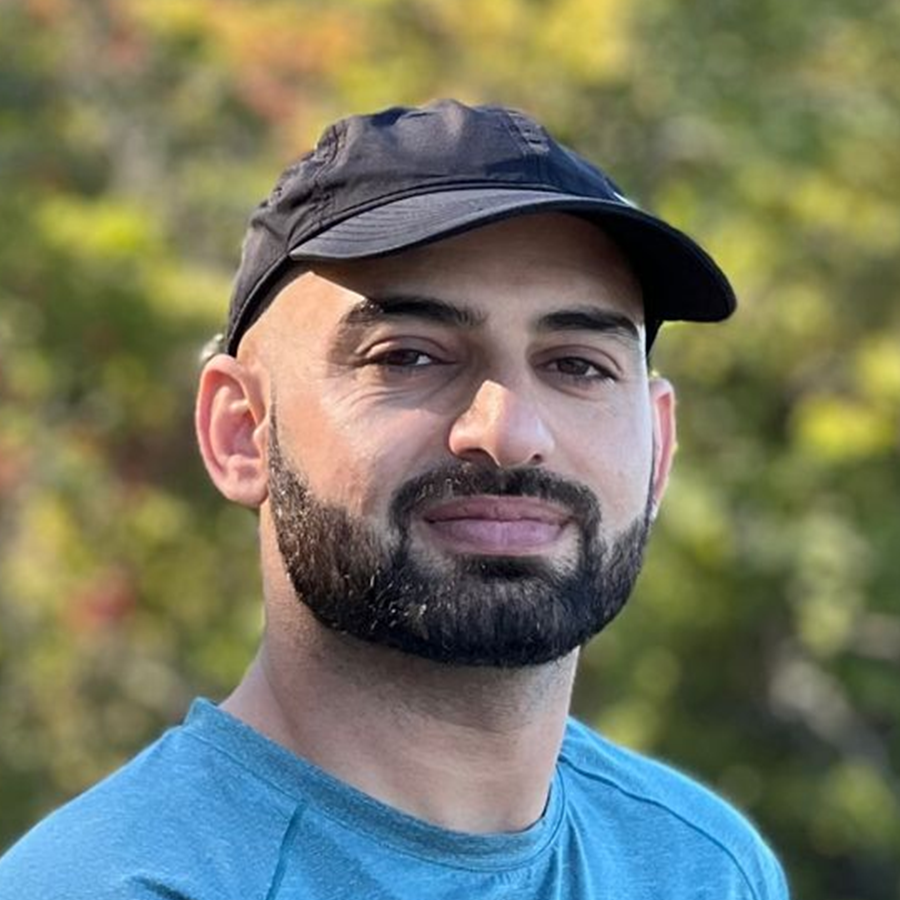
Ajmal KhanPhD Candidate and Graduate Teaching Associate
-
Primary Affiliation: Jia Lab, Department of Biology, University of North Carolina at GreensboroAbout the Researcher: I investigate how environmental contaminants such as micro- and nanoplastics contribute to cardiovascular disease and inflammation, combining transcriptomics, metabolomics, and gut-microbiome profiling to map the host–microbiome–metabolite networks that drive the disease. My research connects environmental plastic exposure to gut dysbiosis, disrupted gut–liver metabolic signaling, and endothelial dysfunction. I also study the redox and inflammatory biology of the vascular endothelium, including how engineered nanomaterials such as carbon nanodots can act as antioxidant, anti-inflammatory agents that scavenge reactive oxygen species and modulate protective gene expression.Project Title: A Reproducible Fecal Microbiome Pipeline for Investigating the Role of Polystyrene Nanoplastics in Human AtherosclerosisProposed Project: Concerns about nanoplastics are growing. Nanoplastics have been detected in humans, including in the plaque associated with cardiovascular disease. However, little is known about the systemic effects of nanoplastics. One system that may be disrupted by nanoplastics is the gut microbiome, which could lead to widespread effects. Ajmal Khan will investigate how the fecal microbiome responds to nanoplastics and how this response interacts with cardiovascular disease. To do this, Khan will generate data from both humans and high-cholesterol mice. For human adults, Khan will classify participants by plastic exposure and compare fecal microbiome composition and gene expression. Stool will also be collected from mice exposed to different amounts of nanoplastics to further define responsive taxa and transcripts. The cross-species samples will be standardized to counter extraction bias and estimate absolute abundances. Overall, Khan aims to reveal candidate fecal biomarkers related to nanoplastics exposure and correlate changes in the fecal microbiome with cardiovascular disease.
Meet the Finalists
-

-
Chloe La PrairieCancer Biology PhD Candidate
-
Primary Affiliation: University of Alabama at Birmingham (UAB), Department of Pediatric DentistryResearch Expertise: Investigating how the oral microbiome influences colorectal cancer progression and the tumor immune microenvironment, with a focus on host-microbe interactions and cancer immunology.Project Title: Periodontal Pathogen Promotes Colorectal Tumor Growth and Reshapes Immune MicroenvironmentProposed Project: Colorectal cancer is one of the most common types of cancer in the world. The progression of colorectal cancer can be influenced by the gut microbiome, which in turn can be influenced by pathogen infection. Even oral pathogens may have far-reaching effects on the gut microbiome. Chloe La Prairie is investigating how the fecal microbiome changes in response to the periodontal pathogen Porphyromonas gingivalis and how this response could contribute to tumor progression during colorectal cancer. As her model, La Prairie will use mice with colon adenocarcinomas to gain a better understanding of the relationship between the gut microbiome, P. gingivalis, and colorectal cancer. By collecting fecal samples from control mice and mice exposed to P. gingivalis, La Prairie can then compare microbial community composition and gene expression. Changes in the gut microbiome may alter the microenvironment of the tumor, which could be associated with the rate of proliferation of colorectal cancer.
-

-
Aidana RakhmankulovaPhD Researcher in Global Health
-
Primary Affiliation: Nazarbayev University School of Medicine, Department of Biomedical Sciences; National Laboratory Astana, KazakhstanResearch Expertise: Microbiome and bioinformatics research focused on the gut–cervix axis, cervicovaginal and gut microbial communities, HPV infection, and cervical health. My work investigates bacterial, fungal, archaeal, and viral communities, together with their functional and metabolic profiles, to understand cross-site microbial relationships and their potential role in HPV-associated cervical changes.Project Title: Investigating the Gut-Cervix Microbiome AxisProposed Project: The cervical microbiome can change in response to viral infections, such as those caused by HPV. As an important regulator of immunity and metabolism, the gut microbiome may influence how the cervical microbiome responds to these infections. Yet despite their relative proximity, the interactions between the cervical microbiome and the gut microbiome are poorly understood. Aidana Rakhmankulova aims to investigate the gut-cervix microbiome axis. To do this, she will collect paired cervical and fecal samples from reproductive-age women. By using shotgun metagenomic profiling and microbial community standards, Rakhmankulova will examine microbiome community composition and how specific cervical microbiome profiles are associated with certain features of the gut microbiome. Exploration of the interaction between the gut and cervical microbiomes may support the discovery of new biomarkers and microbiome-based therapeutic strategies for women’s health.
-
-
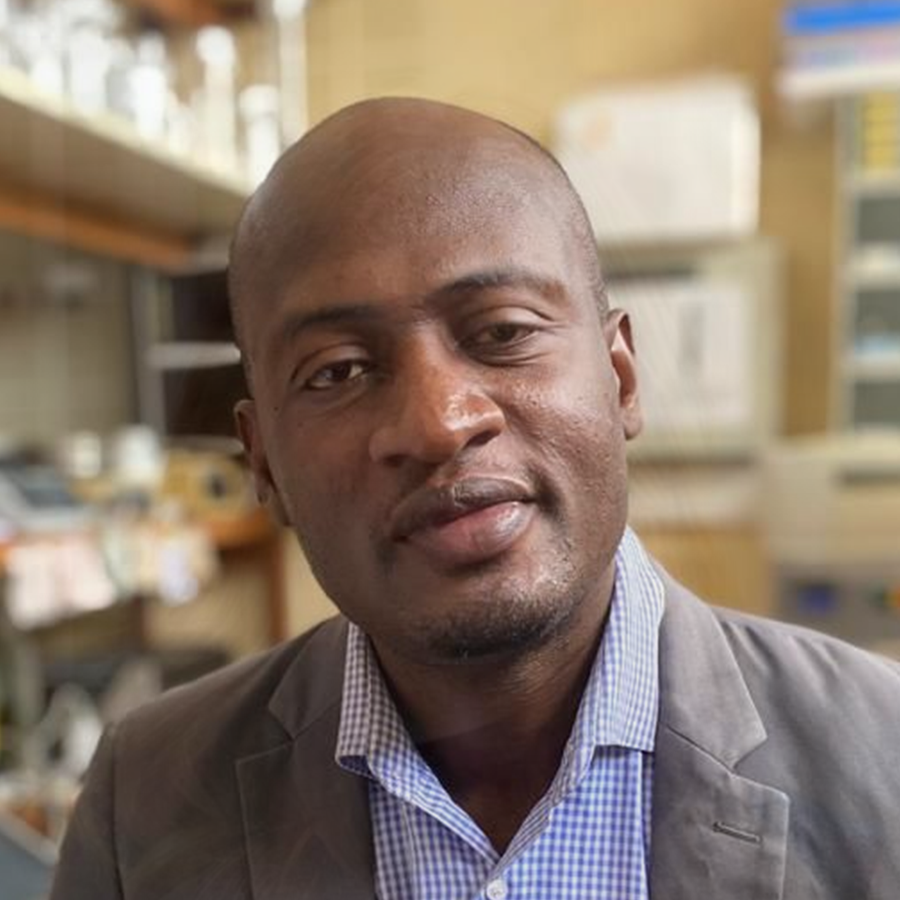
Dr. Tiofack Zébazé Arnol AuvakerPostdoctoral Researcher
-
Primary Affiliation: Molecular Parasitology and Entomology Unit, Department of Biochemistry, Faculty of Science, University of Dschang, CameroonResearch Expertise: My research focuses on molecular parasitology, molecular diagnostics, microbiome research, and biomarker discovery for neglected tropical diseases and cancer. My current work emphasizes the development of innovative, field-adapted molecular diagnostic tools for schistosomiasis and other parasitic diseases, as well as investigating host–microbiome interactions associated with disease progression and treatment outcomes.Project Title: Gut-Urogenital Axis in Schistosoma haematobium Infection: a Pilot Study of Fecal Microbiome and Short-Chain Fatty Acid Signatures Associated with Female Genital SchistosomiasisProposed Project: Schistosoma haematobium is a blood fluke that infects millions of people each year, particularly in sub-Saharan Africa. Parasitism by S. haematobium can lead to urogenital or genital schistosomiasis, which results in inflammation that can affect reproductive health and susceptibility to HIV. S. haematobium infection may also disrupt the gut microbiome and its ability to produce important metabolites, like short-chain fatty acids. Dr. Tiofack Zébazé Arnol Auvaker will explore how S. haematobium affects fecal microbiome composition and the transcription of pathways that produce short-chain fatty acids. His project will involve collecting stool from uninfected women, women with female genital schistosomiasis, and women infected with S. haematobium who do not exhibit genital schistosomiasis. Fecal samples will be collected both before and after praziquantel treatment to determine the microbial composition and gene expression associated with both the infection and the treatment. This study could discover candidate microbial markers associated with female genital schistosomiasis and will support larger studies on schistosomiasis treatment.
-
-
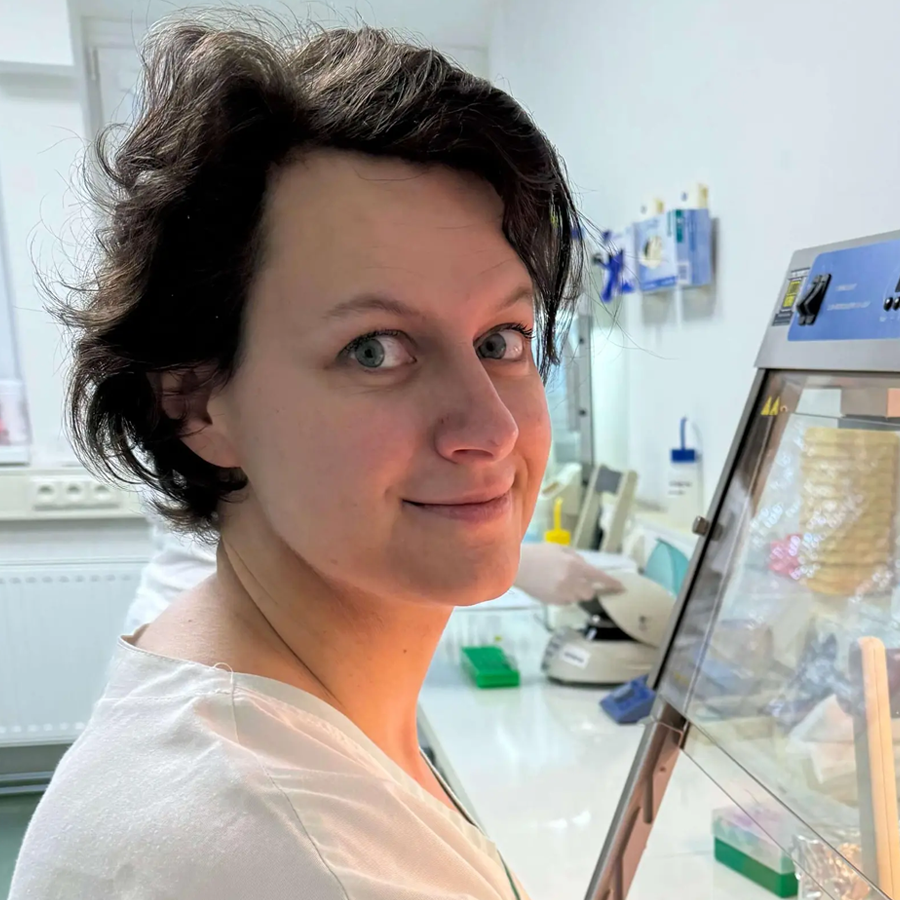
Mgr. Kristýna Fiedorová, PhDResearch Specialist
-
Primary Affiliation: Department of Clinical Immunology and Allergology, St. Anne’s University Hospital Brno and Faculty of Medicine, Masaryk University, Czech RepublicResearch Expertise: Microbiome research, molecular microbiology, and the study of microorganisms in relation to human health and disease.Project Title: Exploring the Active Gut Mycobiome through Longitudinal DNA and RNA ProfilingProposed Project: The bacterial communities of the gut microbiome have been extensively studied, but much less is known about the gut mycobiome. The gut mycobiome is difficult to study because fungi are frequently ingested and are common in the environment, easily contaminating sampling. How can we know which fungi in the fecal mycobiome are biologically significant and which are dead or inactive fungi passing through our digestive tracts? Mgr. Kristýna Fiedorová, PhD, tackles this question by designing a fecal mycobiome study with participants that are cohabiting adults. Each pair of adults will share an environment and their diets may be similar, allowing for both a comparison of individuals sharing a space and individuals who are not sharing a space. Over a one-month period, participants will regularly collect stool samples and will record dietary information. Using ITS amplicon sequencing, RNA profiling, and microbial community standards, the study will characterize fungal communities and investigate which fungi are transcriptionally active. This project could help to distinguish which fungi of the fecal mycobiome may be metabolically active.